ServicesWindow Installation
Window Installation in Newport Beach
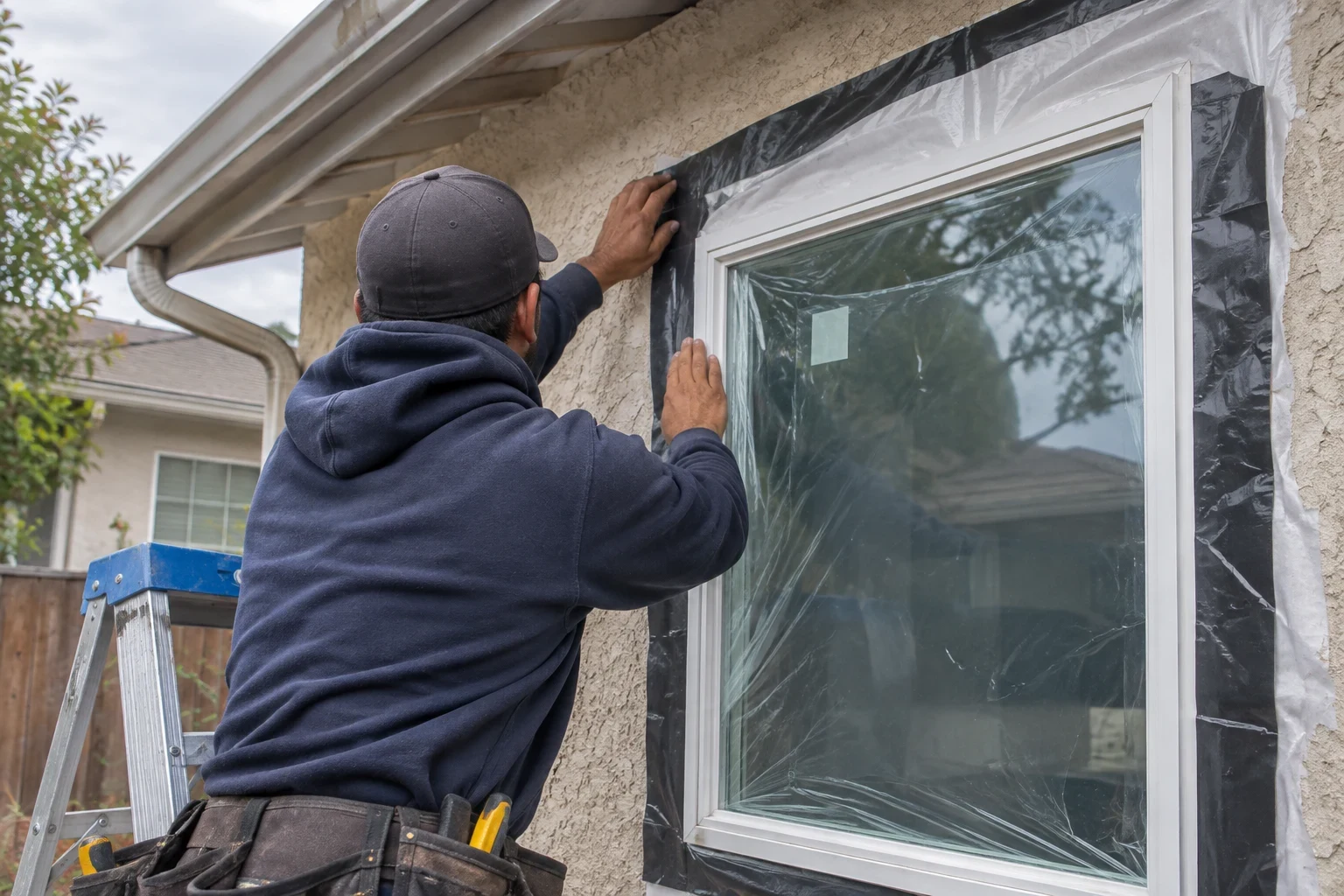
We install windows where there were none before: new openings, wider openings, room additions and full remodels. The same few people frame the opening, set the window, seal it against weather and finish the wall around it, so the details stay in careful hands.
What window installation covers
Window installation means putting a window into an opening that is new or changing. That can be a fresh opening cut into an exterior wall, an existing opening made wider for more light, windows for a room addition, or a full set for a remodel taken down to the studs. If you simply want a new window in the same opening as the old one, our Window Replacement page is the better place to start.
New openings ask more of the work than a swap does. The wall has to carry its load over a properly sized header, the rough opening has to be square and level, and the flashing has to shed water before stucco or siding goes back on. We keep one small crew on your job from layout to final sealant, so the people who framed the opening are the people who set the glass.
What the work includes
Layout and sizing
We mark the opening on both faces of the wall and check it against furniture, sightlines and what sits inside the wall. Plumbing vents and wiring are found before anything is cut, not after.
Framing and header
We cut the opening, add the header, jack studs and sill framing the span calls for, and square it to the window we ordered.
Flashing and sill pan
A sloped sill pan and layered flashing tape go in before the window. On a coastal home, this hidden layer does most of the work keeping wind-driven rain out of the wall.
Setting and sealing
The window is shimmed plumb, fastened to the manufacturer's instructions, and insulated around the frame with low-expansion foam so the sash still opens smoothly.
Finishing the wall
We patch the exterior around the new frame and close up the interior, leaving trim and drywall ready for paint.
Daily cleanup
Floors are covered, dust is contained and debris leaves with us. Your home is left tidy at the end of each day, not only at the end of the job.
When a new window is the right call
- A room that never gets light
- Hallways, stairwells and inside corners of a plan often have no window at all. A well-placed new opening can change how the whole space feels.
- You are adding on or remodeling
- Additions and gut remodels need windows chosen and installed alongside the framing, not squeezed in at the end.
- The opening is too small for the view
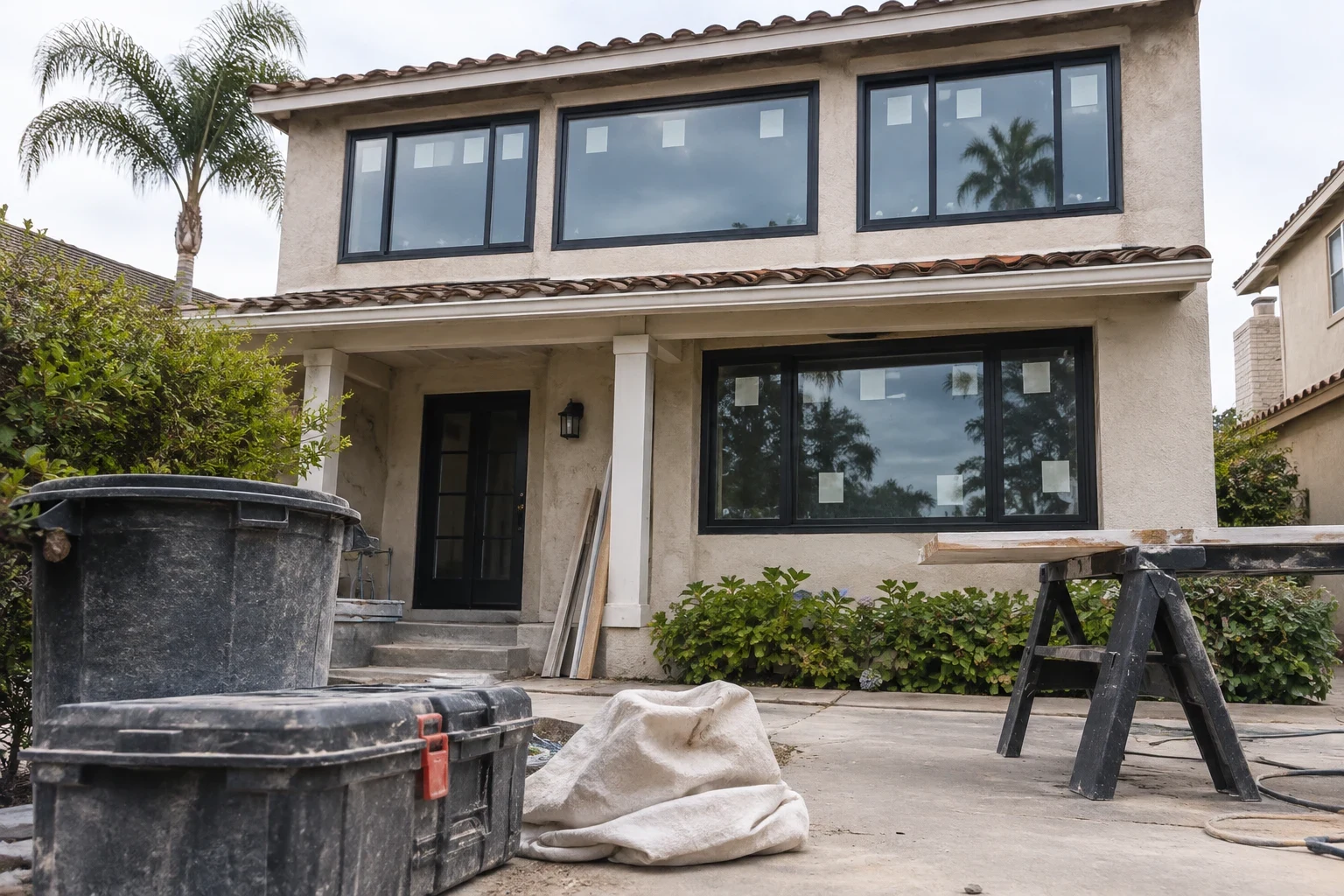
- Widening an opening for a larger picture window or a pair of casements is a structural change, and it needs a new header sized for the span.
- A space is changing use
- Turning a garage, den or attic into a bedroom usually means adding an egress window that meets size and sill-height rules.
- Cross-breeze is missing
- A second operable window on another wall can move ocean air through a room far better than one window ever will.
How an installation runs
- 1
In-home visit
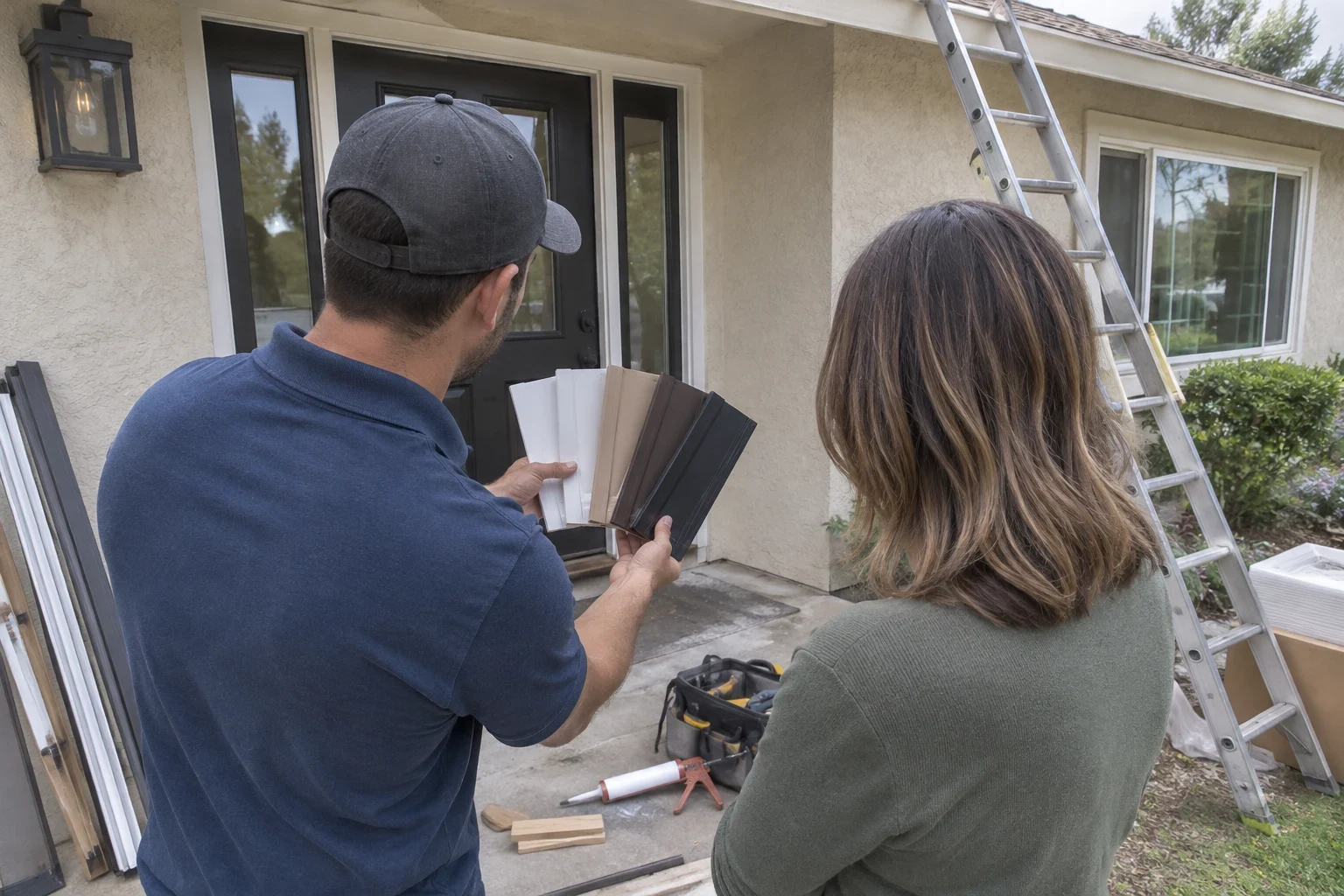
We look at the wall inside and out, talk through size, style and frame material, and measure. You get a written estimate that lists each part of the work.
- 2
Permit and ordering
We pull the permit for new or enlarged openings and order the window to the confirmed size. You know your start date before we arrive.
- 3
Opening day
We protect the room, cut and frame the opening, and get the flashing in. Where possible the window is set the same day so the wall is not left open overnight.
- 4
Finish and inspection
Exterior and interior patching follow, then the inspection. We walk you through how the window operates and locks before we pack up.
What shapes the price
Installing into a new opening costs more than a like-for-like swap because framing, flashing and wall repair are part of the job. Your written estimate gives each of those pieces its own entry, so every charge has a clear reason behind it. Nothing is added after the fact without talking with you first.
- What the wall is made of
- Stucco over wood framing, siding and masonry each cut and patch differently. Wiring or plumbing in the way adds time.
- Size and header
- Wider openings need heavier headers and sometimes engineering. A small window between existing studs is far simpler.
- Frame material and glass
- Vinyl, fiberglass and aluminum vary in cost, as do glass packages such as low-E coatings or tempered panes required near doors and floors.
- Finish work
- Matching existing stucco texture or trim profiles takes more care than a plain patch.
- Permit and access
- Permit fees, second-story work and tight side yards all affect the final number.
Window installation questions
- Do I need a permit for a new window opening?
- In most cases, yes. Cutting a new opening or enlarging one changes the structure of the wall, so the city expects a permit and an inspection. We pull it as part of the job and schedule the inspection with you.
- How long does it take to install one new window?
- A single opening in a typical wood-framed wall usually means one to two days on site, plus time for patching and the inspection. Larger spans or masonry walls take longer, and we give you a realistic schedule at the estimate.
- Can you cut into a stucco wall cleanly?
- Yes. We score and cut the stucco to a straight line, tie new flashing into the existing weather barrier, and patch with a texture as close to yours as we can match. Color-matching paint is usually the last step.
- Which frame material holds up near the coast?
- Salt air is hard on bare metal hardware and some finishes. Vinyl and fiberglass resist corrosion well, and we will talk through how each looks and wears before you choose.
- Will I have an open wall overnight?
- We plan the day so the window goes in the same day we cut whenever we can. If a delay leaves an opening, it is closed up and weathertight before we leave.
Talk through your new window with us
Tell us where you want more light and we will come look at the wall. Our free in-home estimates come with no sales pressure or obligation.