ServicesWindow Retrofitting
Window Retrofitting in Newport Beach
We fit new windows into the frames already in your walls, so the stucco, drywall and trim around them stay put. The same small crew measures, installs and seals every opening, and you get a clean finish with far less disruption than a full tear-out.
When a retrofit is the right choice
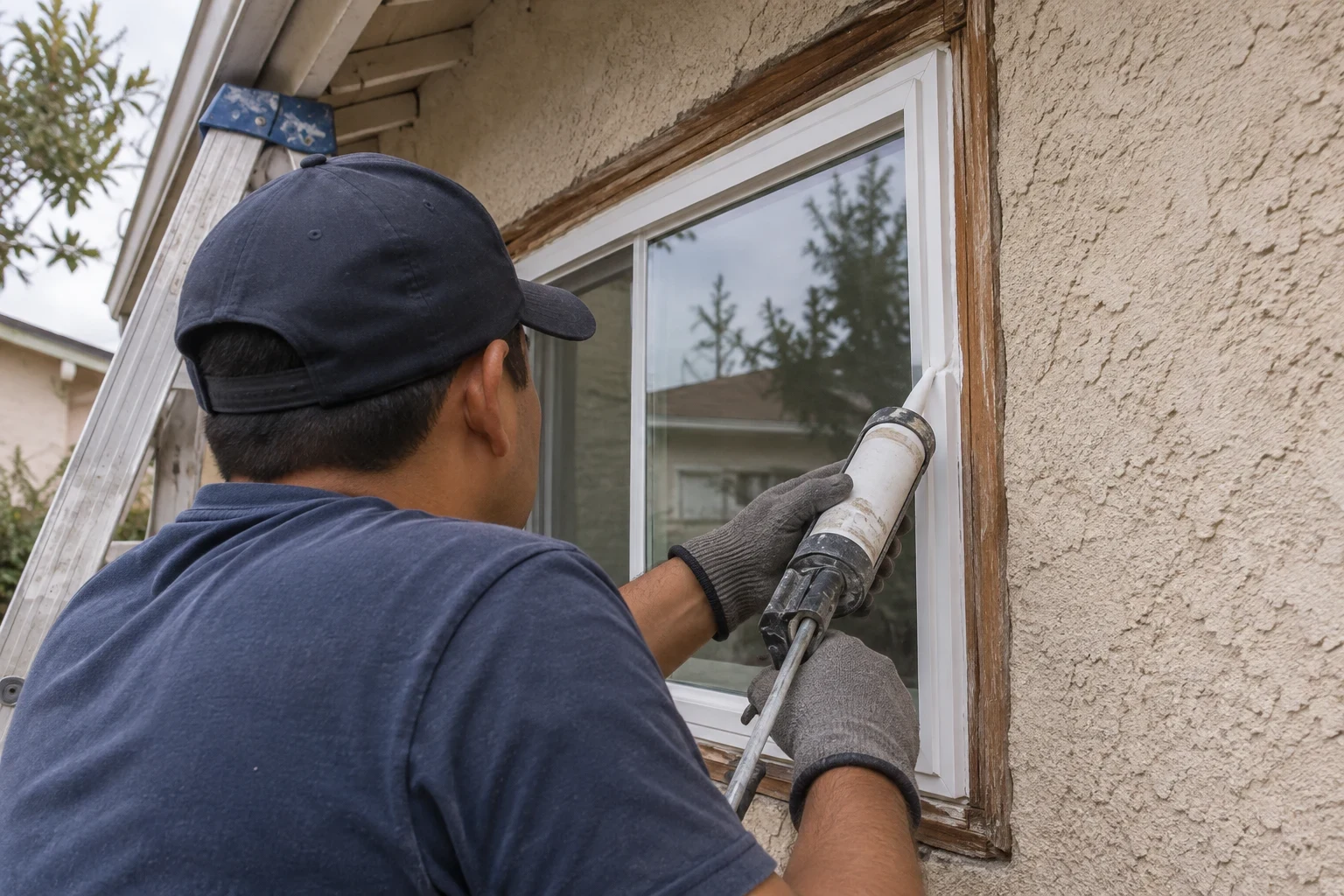
Window retrofitting swaps the old glass and sash for a new window built to sit inside or over the existing frame. Most retrofit units use a flush flange, often called a Z-bar, that laps over the old frame and is sealed to the exterior finish. The wall itself is never opened.
It works best when the existing frame is sound, square and dry. Many stucco homes around Newport Beach still have their original aluminum sliders, and a retrofit lets you trade them for vinyl or fiberglass units without patching and repainting the walls afterward.
If we find rot, water staining or a frame that has shifted, we will show you photos and explain why a full-frame job under Window Replacement, or new construction under Window Installation, is the better path. You hear that from the person who measured your windows, not from a sales office.
What our retrofit work includes
- Careful measuring
- We measure each frame at three points across the width and height and work from the smallest reading. Retrofit windows are made to order, so this step decides how well the new unit sits.
- Removing the old sash
- The old glass panels, tracks and hardware come out while the frame stays in place. Debris goes into our bins, not your planters.
- Frame prep
- Old caulk, corrosion and loose paint are cleaned off so the new seal bonds to a sound surface. On aluminum frames exposed to salt air, this matters more than most people expect.
- Setting and fastening
- Each window is set level and plumb, shimmed at the fastening points and secured to the frame. We check that every sash slides and locks smoothly before moving to the next opening.
- Sealing inside and out
- A continuous bead of sealant goes where the flange meets the stucco. Inside, we finish with insulating foam and caulk, or new trim where the gap calls for it.
- Cleanup and walk-through
- We vacuum, wipe down the new glass, haul away the old units and show you how each window operates.
Signs your windows are ready for a retrofit
Sliders that stick or jump the track
Worn rollers and bent aluminum tracks make windows hard to open and easy to leave unlatched. When parts for older units are no longer made, a retrofit is usually the sensible answer.
Chalky, pitted aluminum frames
Salt air slowly wears at bare and anodized aluminum. If the frame is still solid beneath the surface wear, it is a good candidate to retrofit over.
Fog between the panes
A failed seal on dual-pane glass lets moisture into the space between the panes. It will not clear on its own.
Single-pane glass and drafts
Single-pane windows let heat pour in on summer afternoons and lose warmth on cool evenings. Dual-pane retrofit units with low-E glass keep rooms steadier, and our Energy Efficient Windows page covers the glass options in more depth.
Water beading on the frame
Aluminum conducts cold, so condensation forms on the inside of the frame on damp mornings and stains the sills. Vinyl and fiberglass frames stay much closer to room temperature.
What affects the cost of a retrofit
Retrofit pricing depends on what goes into each opening and how easy it is to reach. We list every window on a written estimate, so you can see where the money goes before anything is ordered. If something changes once the old sash is out, we show you and talk it through before going further.
Number and size of windows
Large picture windows and wide sliders use more glass and take more care to set. A larger order spreads setup time across more openings.
Frame material and glass
Vinyl and fiberglass frames differ in cost, as do low-E coatings and finish colors. Tempered glass is required in some locations, such as near doors and tubs.
Condition of the existing frame
Heavy corrosion, an out-of-square opening or old sealant buildup adds prep time. A frame that cannot carry a retrofit moves the job toward full replacement.
Access and height
Second-story windows and openings above steep planting beds may need taller ladders or staging.
Interior finish
Some openings need only caulk inside, while others look best with new trim.
How a retrofit project runs
- 1
Free in-home estimate
We look at every window, check the frames for soundness and talk through styles, glass and colors. You get a written estimate, with no sales pressure or obligation.
- 2
Final measure and order
The crew lead who will install your windows takes the final measurements, and your units are built to those numbers. We pull the permit where the city requires one.
- 3
Install day
We lay drop cloths inside, protect landscaping outside and work one opening at a time, so no room sits open for long. Smaller projects often finish in a day; larger ones take a little longer.
- 4
Seal, check and clean
Every window is sealed, tested and locked. We clean up, take the old units away and walk through the house with you before we leave.
Window retrofitting questions
Will a retrofit damage my stucco?
No. The new window's flange laps over the existing frame and is sealed to the stucco surface, so we do not cut into the wall. Occasionally a small paint touch-up is worth doing where the old caulk line was.
Does a retrofit window make the glass area smaller?
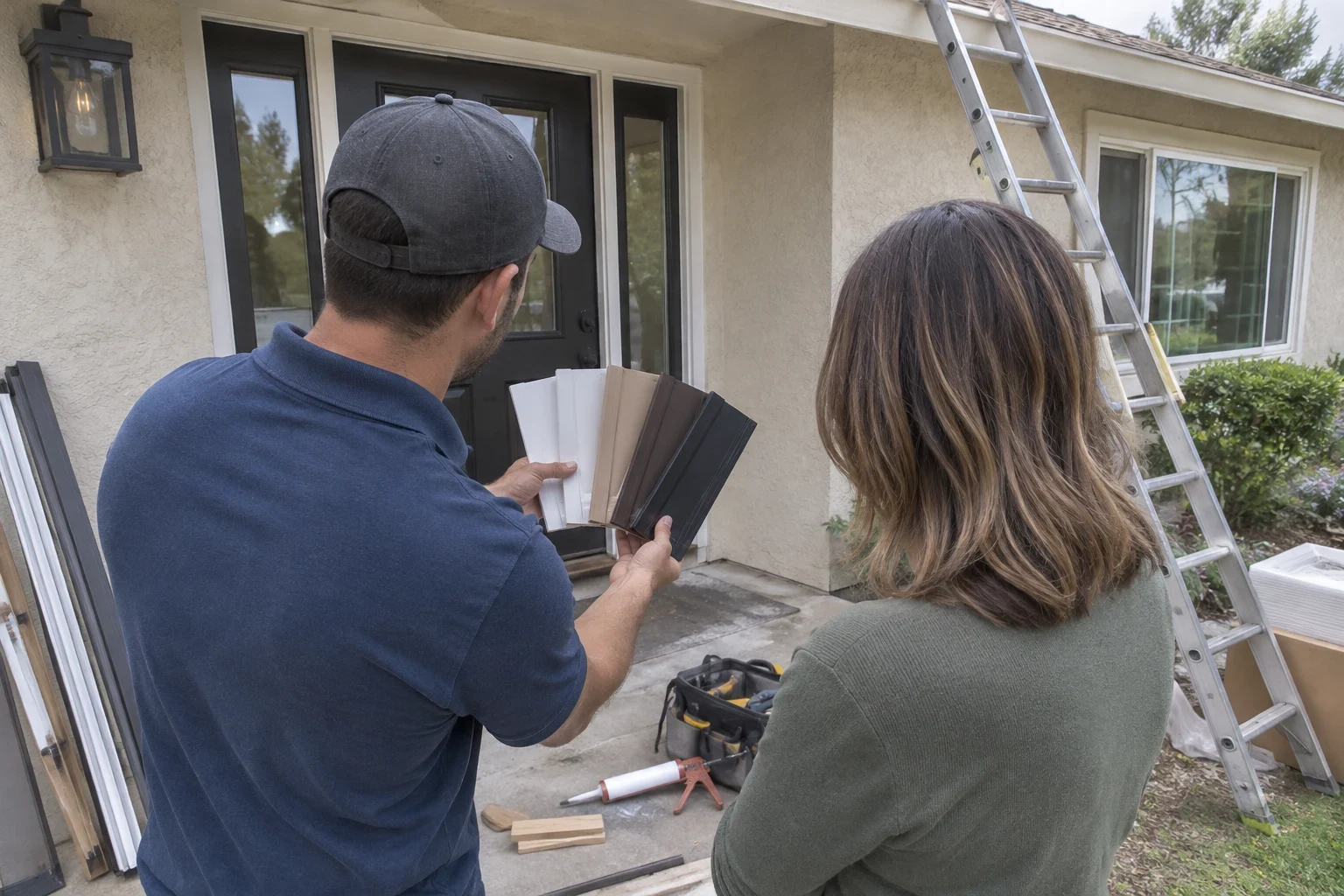
Slightly, because the new frame sits within or over the old one. On most windows the difference is a narrow band around the edge. We can show you a frame sample at the estimate so you can judge the sightlines yourself.
Is a retrofit as energy efficient as a full-frame replacement?
The glass and the new frame perform the same either way. What matters most is the seal between the new unit and the old frame, which is why we spend real time on prep and sealing. The old aluminum frame stays in the wall but is covered by the flange.
Do I need a permit for retrofit windows?
Many California cities ask for a permit when windows are changed out, and the new units have to meet the state's Title 24 energy rules. If your project needs one, we handle the paperwork and book the inspector's visit for you. It is simply part of the job, not an extra task left on your list.
Will the same people be at my house the whole time?
Yes. We are a small team, and the person who measures your windows leads the install. You are not handed off to a different crew halfway through.
Can some windows be retrofitted while others get a full-frame job?
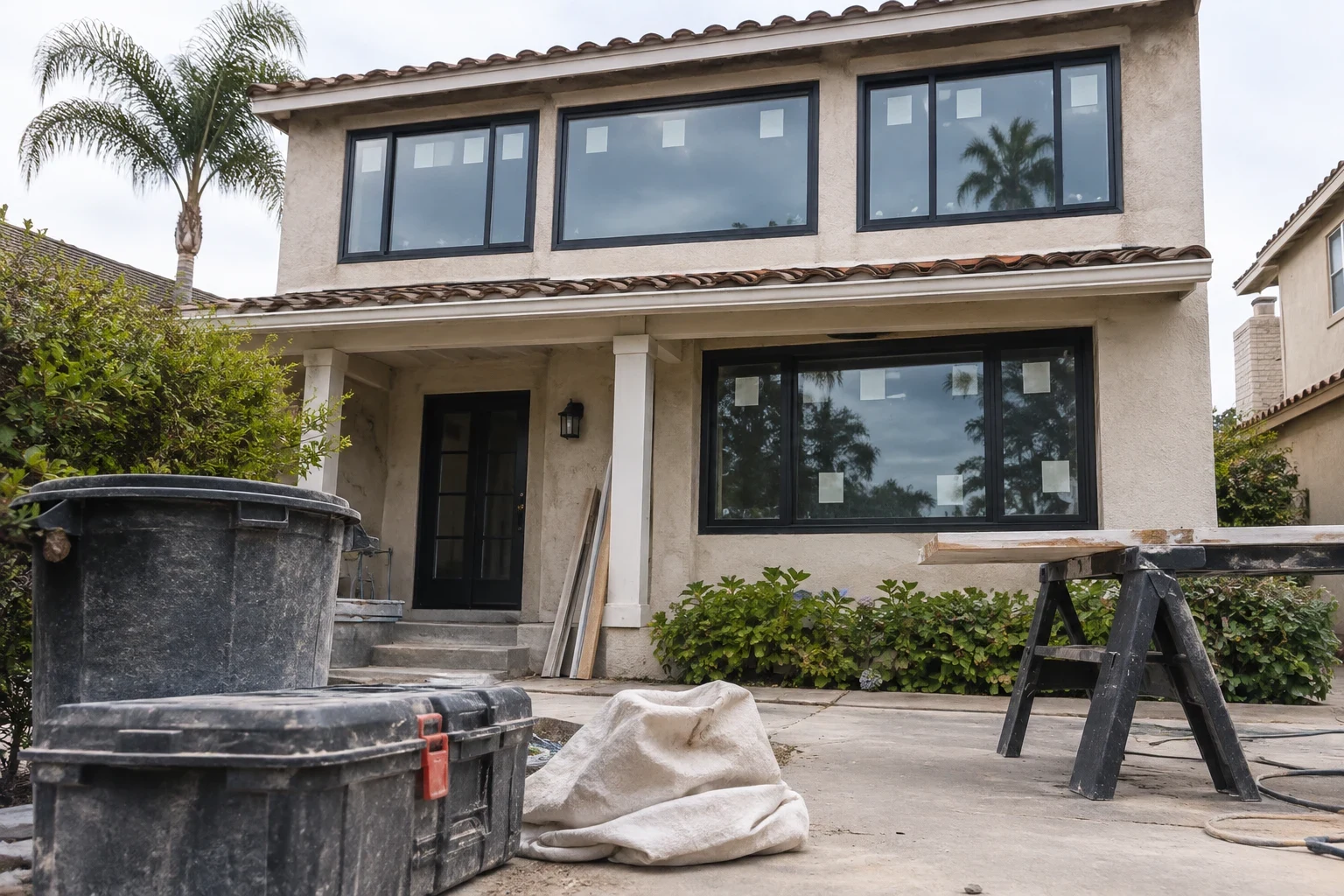
Often, yes. If most frames are sound but one or two show rot or have shifted, we can retrofit the good openings and handle the problem ones as a full replacement. We choose frame profiles and colors so the windows look consistent from the street and from inside.
Keep your walls, update your windows
Tell us how many windows you have and what bothers you about them. We will set up a visit and give you a straight answer on whether a retrofit suits your home.